Interior Demolition vs. Exterior Demolition: What Lincoln and Omaha Contractors Need to Know in 2026
Choosing between interior demolition and exterior demolition is one of the most consequential decisions contractors face before a project breaks ground. This guide covers both approaches, permit rules that apply in Lincoln, NE and Omaha in 2026, and the safety steps every crew needs to follow before the first wall comes down.
Interior vs. Exterior Demolition: Understanding the Core Difference
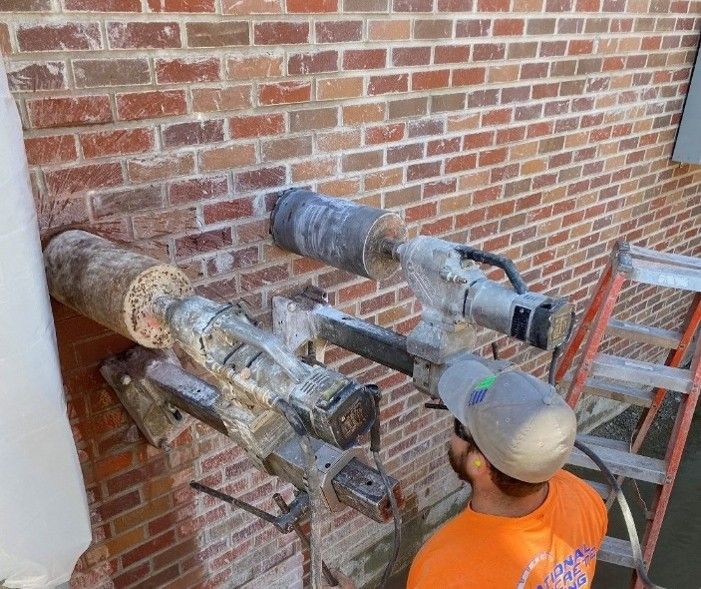
Interior demolition removes non-structural elements inside an existing building: walls, ceilings, flooring, mechanical systems, and fixtures, while the shell stays standing. It is a controlled, precision-driven process common in commercial tenant buildouts, hospital renovations, and school remodels across Lancaster County.
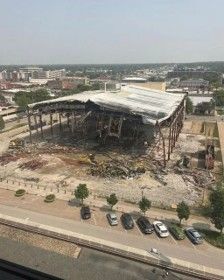
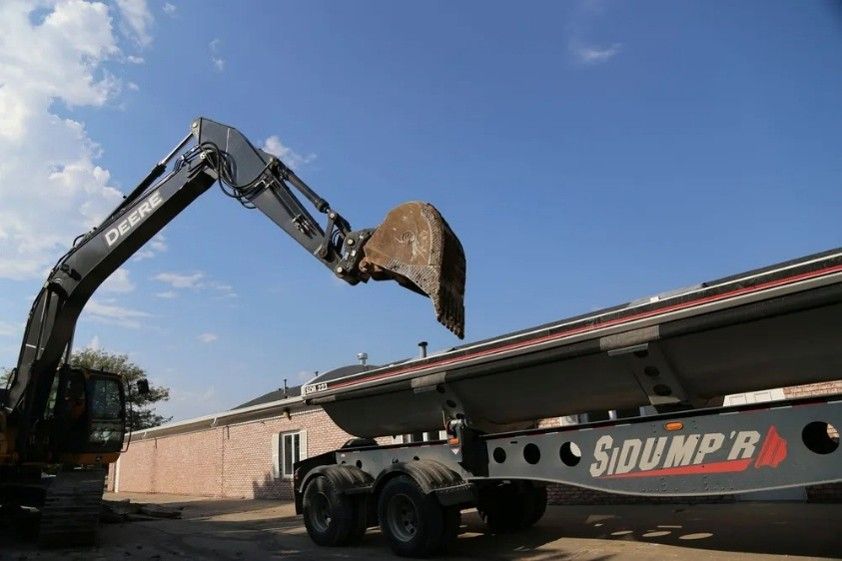
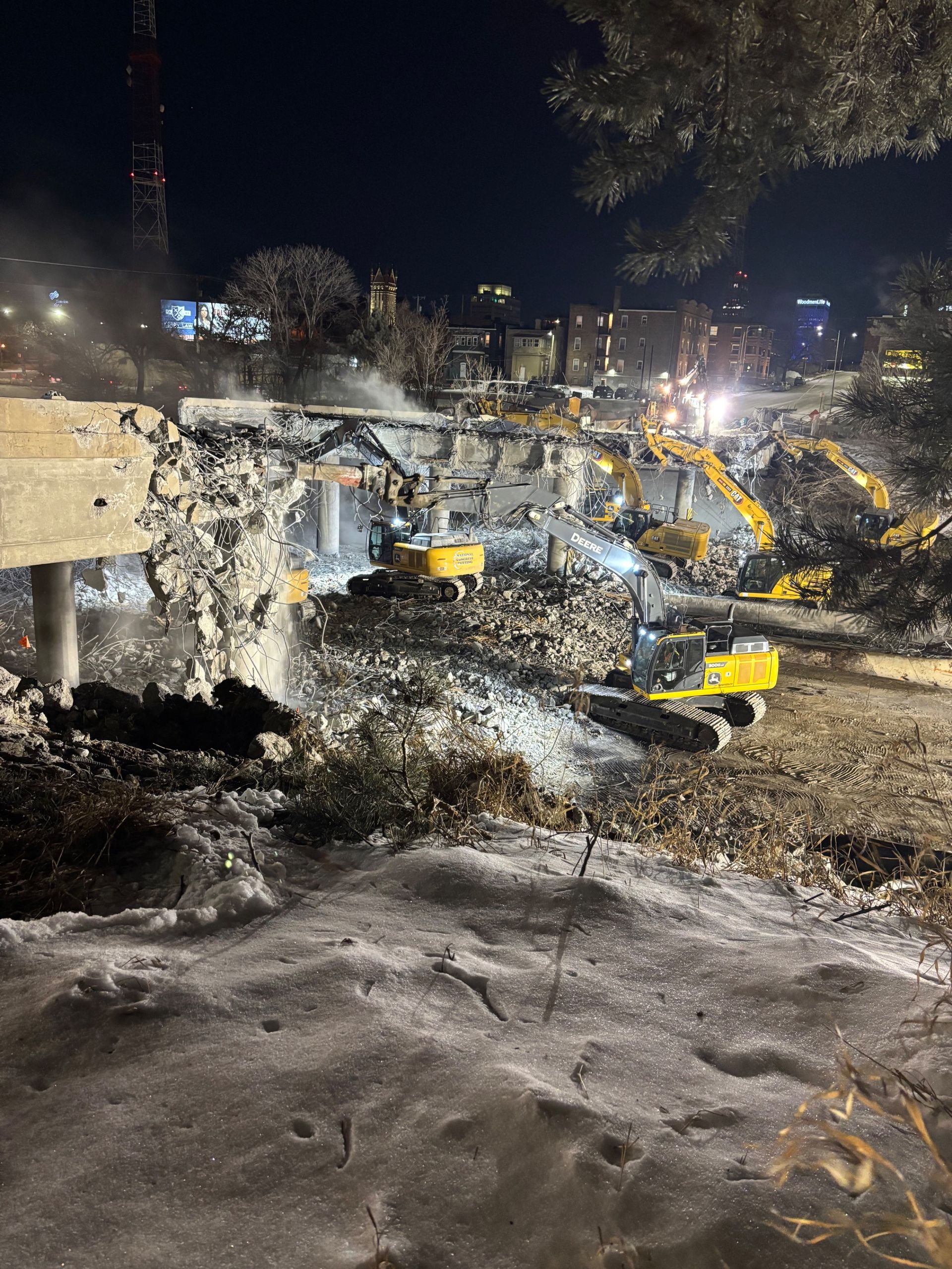
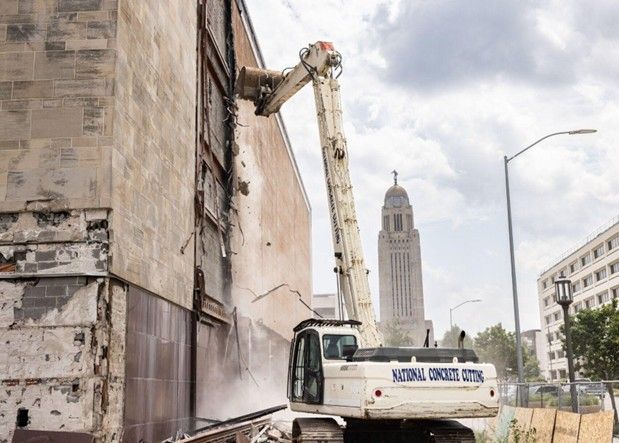
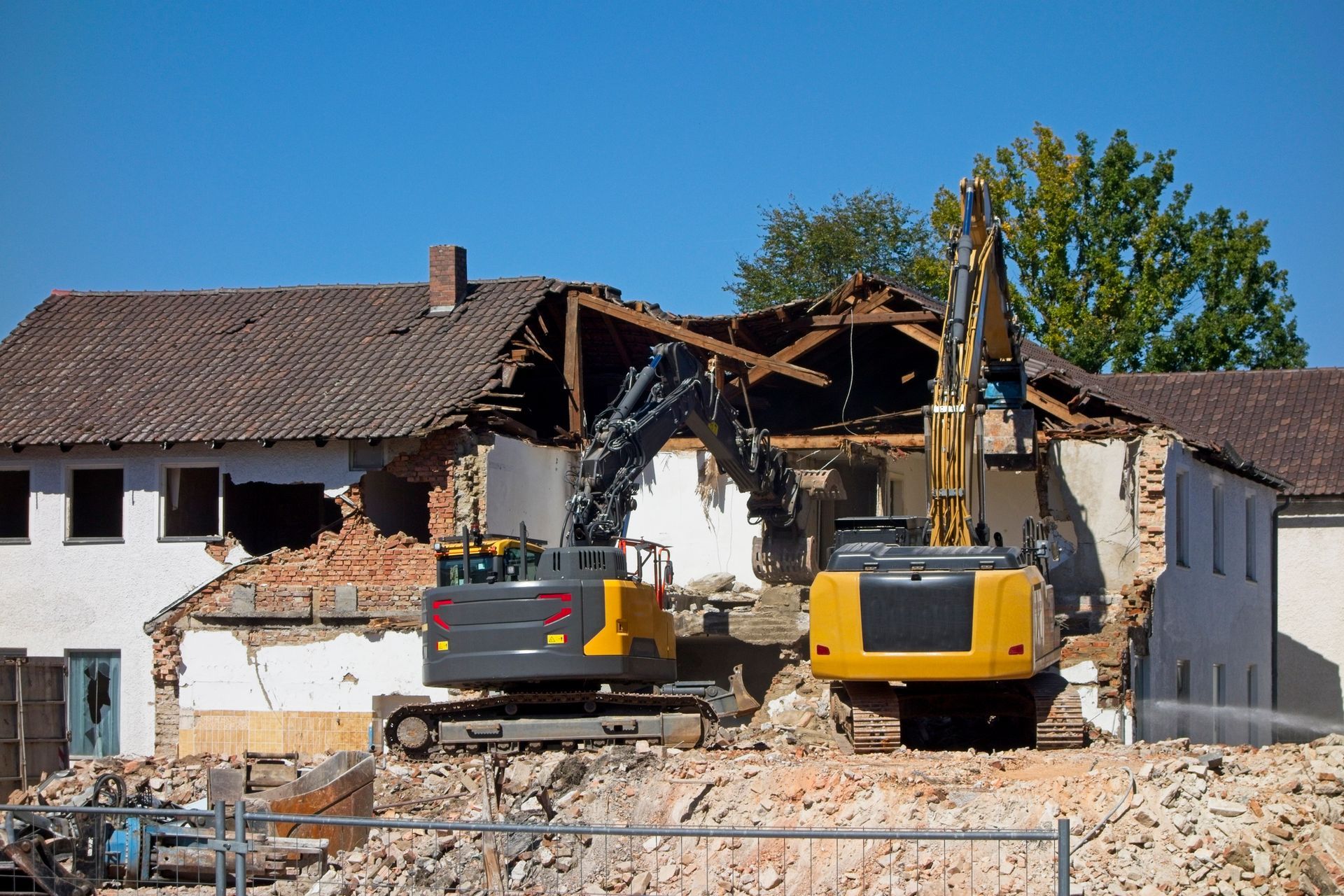
Exterior demolition involves tearing down part or all of a structure from the outside, from removing a single-story addition to a full structural teardown.
| Factor | Interior Demolition | Exterior Demolition |
|---|---|---|
| Structure remains? | Yes. | No (partial or full removal). |
| Typical equipment | Hand tools, small saws, chippers. | Excavators, wrecking equipment. |
| Dust/noise impact | Contained to building interior. | Affects surrounding site. |
| Permit complexity | Varies by scope. | Almost always required. |
| Asbestos risk | High in older buildings. | High in older buildings. |
What Permits Do Lincoln and Omaha Contractors Need in 2026?
Lincoln, NE Permit Requirements
Building permits in Lincoln are issued by the City of Lincoln Building & Safety. A demolition permit is required for any complete teardown and rebuild. Interior demolition involving structural changes, such as removing load-bearing walls, also typically requires a permit under Lincoln Municipal Code Title 20.
Before a demolition permit is issued in Lincoln, sewer and water lines must be abandoned at the main and inspected, electric and gas companies must be contacted and services disconnected, and state or federal agencies must be contacted regarding any asbestos removal.
Omaha Permit Requirements
In Omaha, a wreck permit is required to demolish a structure greater than 75 square feet. If the building does not meet owner-builder criteria, a registered and bonded demolition contractor must obtain the permit, and a bond of $10,000 must be filed with the Permits and Inspections Division.
An asbestos NESHAP notification is required for commercial, institutional, public, or industrial buildings and must be submitted to Omaha Air Quality Control 10 working days (14 actual days) before demolition begins. Simple permits in Omaha are often issued same-day or next-day; complex commercial projects may take several weeks.
Asbestos: The Issue That Affects Both Project Types
Asbestos is a reality in older Nebraska structures regardless of whether work is interior or exterior. Commercial buildings built before the 1980s may contain asbestos in ceiling tiles, floor tile, pipe insulation, and joint compound.
Prior to any demolition or renovation, a facility must be thoroughly inspected for asbestos-containing materials. All suspect materials must be sampled and laboratory analyzed, or they must be handled as if they contain asbestos.
The Lincoln-Lancaster County Health Department administers the NESHAP asbestos program in Lancaster County. The Omaha Air Quality Control agency administers it within Omaha city limits. Contractors must contact their local program directly before beginning work.
Safety Protocols Crews Should Follow on Every Job
Safe demolition starts well before equipment arrives on site. Both interior and exterior jobs require a pre-demo walkthrough to identify hazards, utility tie-offs, and structural risks.
Key safety steps include confirming all utilities are disconnected before work begins, completing an asbestos and lead paint inspection on structures built before 1980, using proper respiratory protection and containment barriers for interior work, establishing a clear debris disposal plan that complies with Nebraska construction and demolition waste rules, and maintaining a site perimeter with appropriate signage and fencing for exterior teardowns.
Contact your local building and safety office before starting demolition, as additional local requirements may apply.
When Should You Choose Interior Demolition Over Full Teardown?
Interior demolition is the right call when a building's structure is sound, the owner wants to preserve the shell, or the project involves a commercial fit-out.
When Does a Full Exterior Demolition Make More Sense?
Full or partial exterior demolition makes sense when a structure is condemned, storm-damaged, or structurally compromised beyond repair. It is also standard for land-clearing projects ahead of new commercial or industrial construction. In Nebraska's climate, winter freeze-thaw cycles can accelerate deterioration in older structures, making a full teardown the more practical option in both Lancaster and Douglas counties.
Ready to Plan Your Next Demolition Project in Lincoln or Omaha?
National Concrete Cutting, Inc. serves Lincoln, NE and the surrounding region with both interior and exterior demolition backed by decades of experience. Reach out to the team at 402-477-1212 to discuss your project, or contact the team online to request a quote. For a closer look at available services, visit the Lincoln demolition services page.
You can also find
National Concrete Cutting, Inc. on Google to read reviews and get directions.