How to Choose a Commercial Demolition Contractor in Omaha or Lincoln, NE
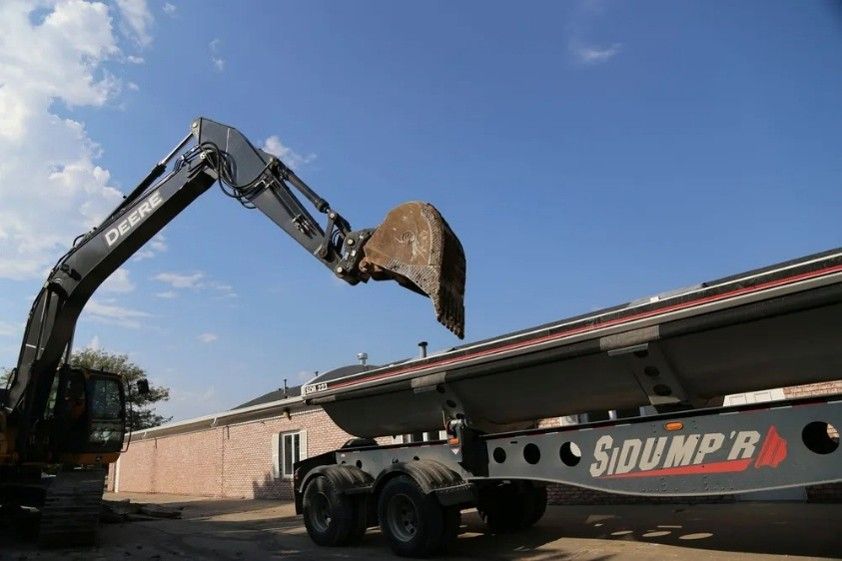
Choosing the right demolition contractor for a commercial project in Omaha or Lincoln, NE, can make the difference between a smooth job and a costly headache. Whether you are tearing down a warehouse in Douglas County or clearing a structure in Lancaster County, the contractor you hire matters. This guide covers what to look for, the questions to ask, and the red flags to avoid.
Understanding Nebraska Licensing and Registration Requirements
The Nebraska Contractor Registration Act requires general contractors and subcontractors doing business in the state to register with the Nebraska Department of Labor. However, registration alone does not cover everything. Douglas and Lancaster Counties each have their own licensing classifications, examinations, and fee structures.
Contractors in Douglas County must hold a county-issued license. Class A contractors are authorized to work on all structures, including high-rises, while Class B contractors may work on structures up to four stories. For commercial demolition in Omaha, confirm which class applies to your project scope.
Contractors in Lancaster County complete their licensing through the City of Lincoln Department of Building and Safety. Always ask a potential contractor to show proof of their current county-level license before signing anything.
What Insurance Should a Commercial Demolition Contractor Carry?
Commercial demolition insurance requirements are more demanding than residential ones. Douglas County mandates general liability coverage ranging from $300,000 to $1,000,000 depending on license class, and contractors are generally required to secure a $10,000 contractor license bond.
All contractors with employees must provide a current workers' compensation certificate of insurance with the Department of Labor listed as the certificate holder. Before hiring, request copies of both the general liability certificate and the workers' comp certificate. A reputable contractor will hand these over without hesitation.
How Commercial Projects Differ From Residential Demolition
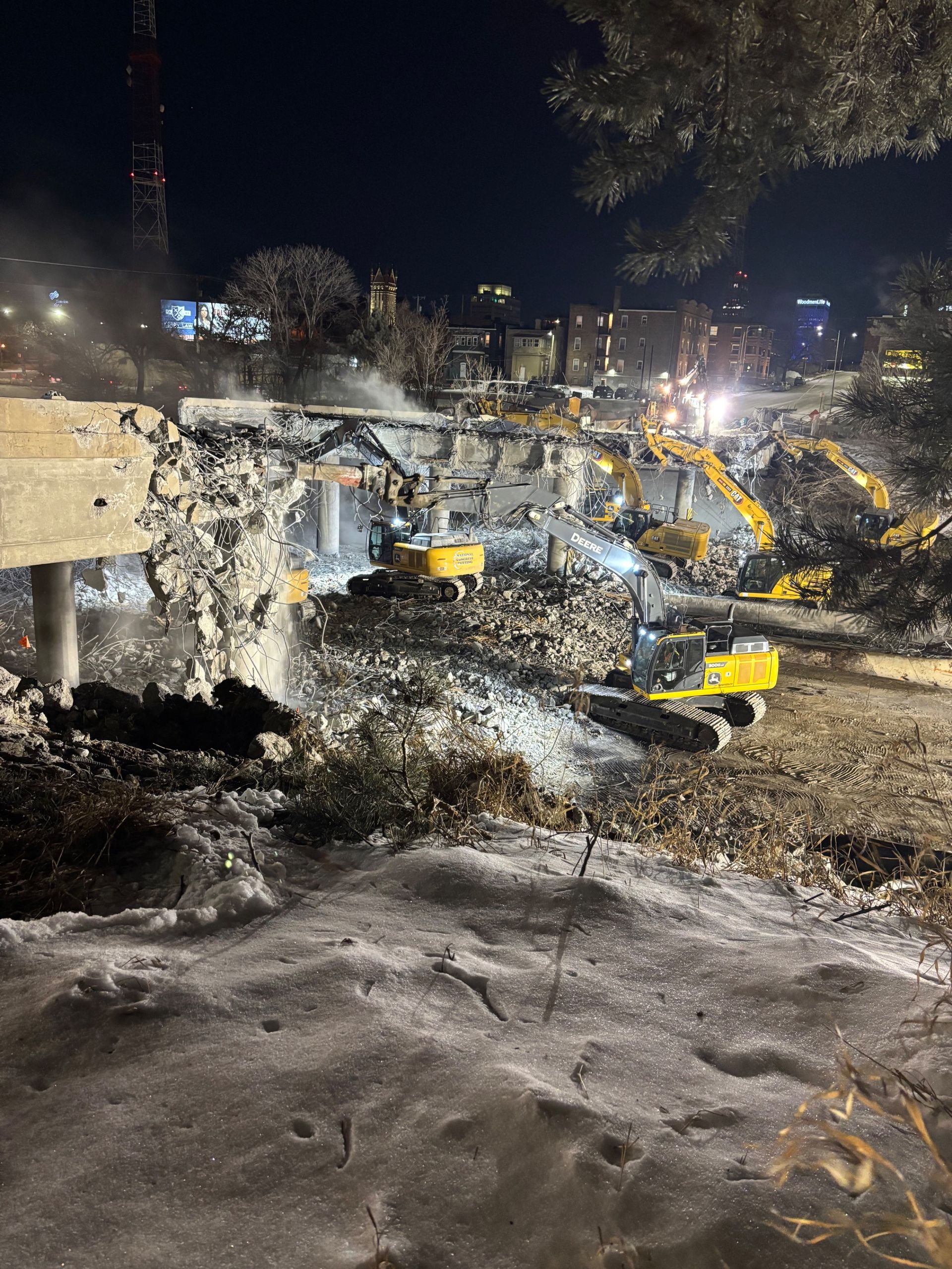
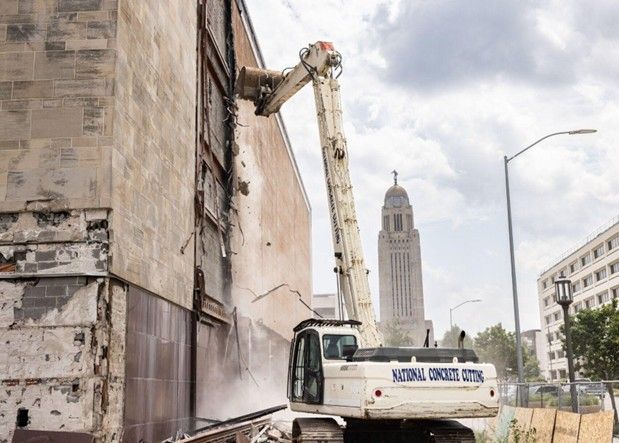
Commercial demolition involves larger footprints, greater structural complexity, and stricter permitting timelines than residential work. Projects in Douglas County can include multi-story office buildings, retail centers, and industrial facilities, each with unique structural and environmental considerations.
Older buildings across both counties may contain asbestos or lead paint. Specific certifications are often required for hazardous material handling, covering both equipment and staff. Always confirm a contractor holds the appropriate certifications before work begins.
Debris handling is also more regulated on commercial sites. A qualified demolition contractor should outline their debris removal and recycling plan before the project starts.
Key Questions to Ask Before You Hire
Asking the right questions upfront can save you serious trouble down the road:
▸ How long have you been performing commercial demolition in Nebraska, and can you provide references from Douglas or Lancaster County projects?
▸ Are you registered with the Nebraska Department of Labor and licensed at the county level for this type of work?
▸ What general liability and workers' compensation insurance do you carry, and can you provide current certificates?
▸ How do you handle debris removal, and do you recycle or divert materials from the landfill?
▸ Who will be on-site daily, and do you use subcontractors for any portion of the work?
▸ Will you pull the necessary permits, and how do you manage communication with local building departments?
Red Flags to Watch For
Not every contractor with heavy equipment is the right fit for a commercial project. Watch for these warning signs:
▸ They cannot provide proof of Nebraska Department of Labor registration or a county-level license.
▸ They carry no general liability insurance or offer only a verbal assurance of coverage.
▸ They pressure you for full payment upfront before work begins.
▸ They have no documented plan for debris disposal or hazardous material handling.
▸ They lack verifiable references from commercial projects in the Omaha or Lincoln metro area.
A legitimate contractor will welcome your scrutiny. Evasiveness when asked for documentation is a strong signal to keep looking.
Frequently Asked Questions
Does Nebraska Require a Statewide Demolition Contractor License?
There is no statewide general contractor license in Nebraska. The Nebraska Contractor Registration Act requires contractors and subcontractors to register with the Nebraska Department of Labor, while county-level licensing applies in Douglas and Lancaster Counties for commercial work.
What Happens if a Contractor Works Without the Required Local License?
Working without required local licenses can result in fines, stop-work orders, and legal liability. This risk falls not just on the contractor but can affect your project timeline and budget as well.
How Is Debris Handled on Commercial Demolition Sites in Omaha?
Contractors in the Omaha and Lincoln area are expected to have a documented debris management plan. Concrete and structural materials can often be crushed and recycled on-site, reducing hauling costs and diverting waste from local landfills.
Do I Need Separate Permits for Demolition and New Construction?
Yes. Demolition permits and building permits are typically separate in both Douglas and Lancaster Counties. Your demolition contractor should pull the demolition permit as part of their scope, and your general contractor or developer handles the construction permits for what follows.
Ready to Start Your Commercial Demolition Project?
Verify registration, confirm insurance, check county-level licensing, and ask for references from comparable commercial projects in the Douglas or Lancaster County area. Taking these steps protects your timeline, your budget, and your liability.
When you are ready to move forward,
National Concrete Cutting, Inc. has been serving the Omaha and Lincoln markets since 1990. Explore their
demolition services to learn more about their commercial capabilities, or
contact the team to request a quote. You can also reach them directly at
(712) 325-1125.
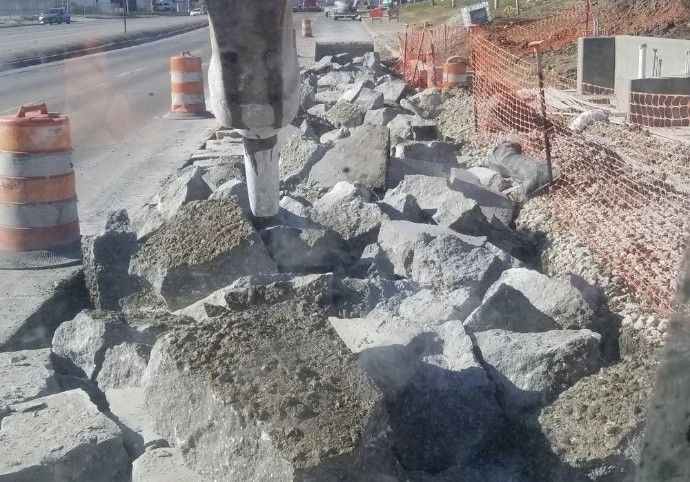
Interior Demolition vs. Exterior Demolition: What Lincoln and Omaha Contractors Need to Know in 2026